
Understanding the psychology of gambling What drives our decisions at the casino
The Allure of the Casino Environment
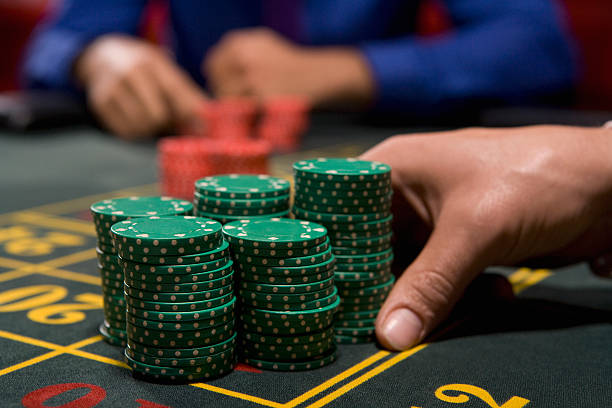
The casino environment is specifically designed to captivate and engage its visitors. Bright lights, vibrant colors, and enticing sounds create an atmosphere that stimulates excitement and curiosity. As players step inside, they are immersed in a sensory experience that can trigger an emotional response, often leading to impulsive decisions. This carefully crafted ambiance can make it difficult for individuals to maintain focus and rational judgment, contributing to the allure of gambling. Particularly, the spinboss casino provides an enticing experience for those looking to engage in thrilling gameplay.

Moreover, the layout of casinos plays a crucial role in encouraging players to explore and engage with various games. By placing slot machines near high-traffic areas, casinos can attract both seasoned gamblers and casual players. This strategic design not only maximizes foot traffic but also heightens the chances of impulsive spending. As visitors navigate the labyrinth of games, the excitement can cloud their judgment, further increasing the likelihood of placing bets without a second thought.
The psychological impact of the casino environment is profound. The thrill of winning, amplified by the surrounding excitement, can create a powerful motivation to continue playing. Many gamblers experience a rush of adrenaline when they hit a jackpot or win a round, reinforcing the desire to keep playing. Unfortunately, this rush can lead to a cycle of highs and lows, making it challenging for individuals to recognize when to stop.
The Role of Cognitive Biases
Cognitive biases significantly influence the decisions players make at the casino. One common bias is the “gambler’s fallacy,” where individuals believe that past events affect future outcomes in random games. For instance, if a player has lost several times in a row, they may convince themselves that a win is imminent. This flawed reasoning can lead to continued play despite mounting losses, creating a dangerous cycle of gambling.
Another cognitive bias prevalent in gambling is the “illusion of control.” This occurs when players overestimate their ability to influence outcomes in games of chance. For example, many believe that they can improve their odds in games like blackjack or poker by employing specific strategies. This perception can encourage individuals to gamble more frequently, as they feel empowered by their supposed skill, despite the inherent randomness of the games.
Furthermore, the availability of near-miss outcomes also contributes to gambling behavior. When players come close to winning but ultimately lose, it can create a sense of encouragement to keep playing. The brain’s reward system reacts strongly to these near-wins, making players believe that they are closer to victory than they truly are. This can perpetuate the cycle of gambling, leading individuals to wager more in hopes of achieving a win.
The Impact of Emotion on Gambling Decisions
Emotions play a significant role in gambling behavior, influencing decisions in profound ways. Many individuals gamble to escape from stress or anxiety, viewing it as a form of entertainment or distraction. This emotional escape can lead to impulsive betting, especially in high-pressure situations where immediate gratification is sought. Unfortunately, the emotional highs from wins can be swiftly followed by the lows of losses, creating a rollercoaster effect that can be difficult to manage.
In addition, feelings of euphoria when winning can distort perception. Players may become overly confident, leading to riskier bets and a disregard for their financial limits. The thrill of winning often overshadows the reality of losses, causing individuals to chase their losses in an attempt to regain control. This emotional investment can cloud rational decision-making, making it even harder for players to recognize when to stop.
Conversely, negative emotions such as frustration or despair can also drive gambling behavior. When faced with personal issues or life challenges, some individuals may turn to gambling as a coping mechanism. This reliance on gambling as a form of emotional relief can create a dangerous cycle of dependency, where the individual feels compelled to gamble more as a means of escaping their problems, further exacerbating their emotional struggles.
The Social Dynamics of Gambling
Gambling is often a social activity, and the influence of peers can significantly impact decision-making. Friends or family members who gamble together can create a shared sense of excitement, reinforcing each other’s behavior and encouraging continued play. This social dynamic can diminish individual accountability, making it easier for people to justify their actions and overlook the risks associated with gambling.
Moreover, the communal environment of casinos can foster a sense of belonging among players. Social interactions can enhance the overall experience, making it feel less like a solitary endeavor. This sense of community can lead to greater emotional investment and a willingness to take more risks, as players often feel encouraged by the presence of others. The fear of missing out on shared experiences can further drive impulsive decisions.
It is essential to recognize the role of social norms in gambling behavior. In many cultures, gambling is viewed as a socially acceptable activity, sometimes even celebrated. This cultural acceptance can normalize excessive gambling and lead individuals to underestimate the potential risks involved. As social influences shape perceptions of gambling, individuals may find it challenging to practice responsible gambling, as their decisions are influenced by the behaviors and attitudes of those around them.
Playing Responsibly at SpinBoss Casino
At SpinBoss Casino, responsible gambling is a core commitment. The platform prioritizes player safety by implementing measures designed to promote responsible gaming practices. This includes offering tools that allow players to set deposit limits, take breaks, and self-exclude if necessary. By empowering players with these options, SpinBoss Casino aims to create a healthier gaming environment.
Additionally, SpinBoss Casino provides resources and support for players who may be struggling with gambling-related issues. This includes access to educational materials that outline the risks associated with gambling and the importance of maintaining control. The casino fosters a community atmosphere where players can seek help and support, emphasizing the need for accountability and awareness in gaming.
Ultimately, understanding the psychology behind gambling can help players make informed decisions. By recognizing the emotional, cognitive, and social factors that drive gambling behavior, individuals can develop strategies to gamble responsibly. At SpinBoss Casino, the focus is not only on providing an exciting gaming experience but also on ensuring that players engage in gambling in a safe and responsible manner.
